Introduction
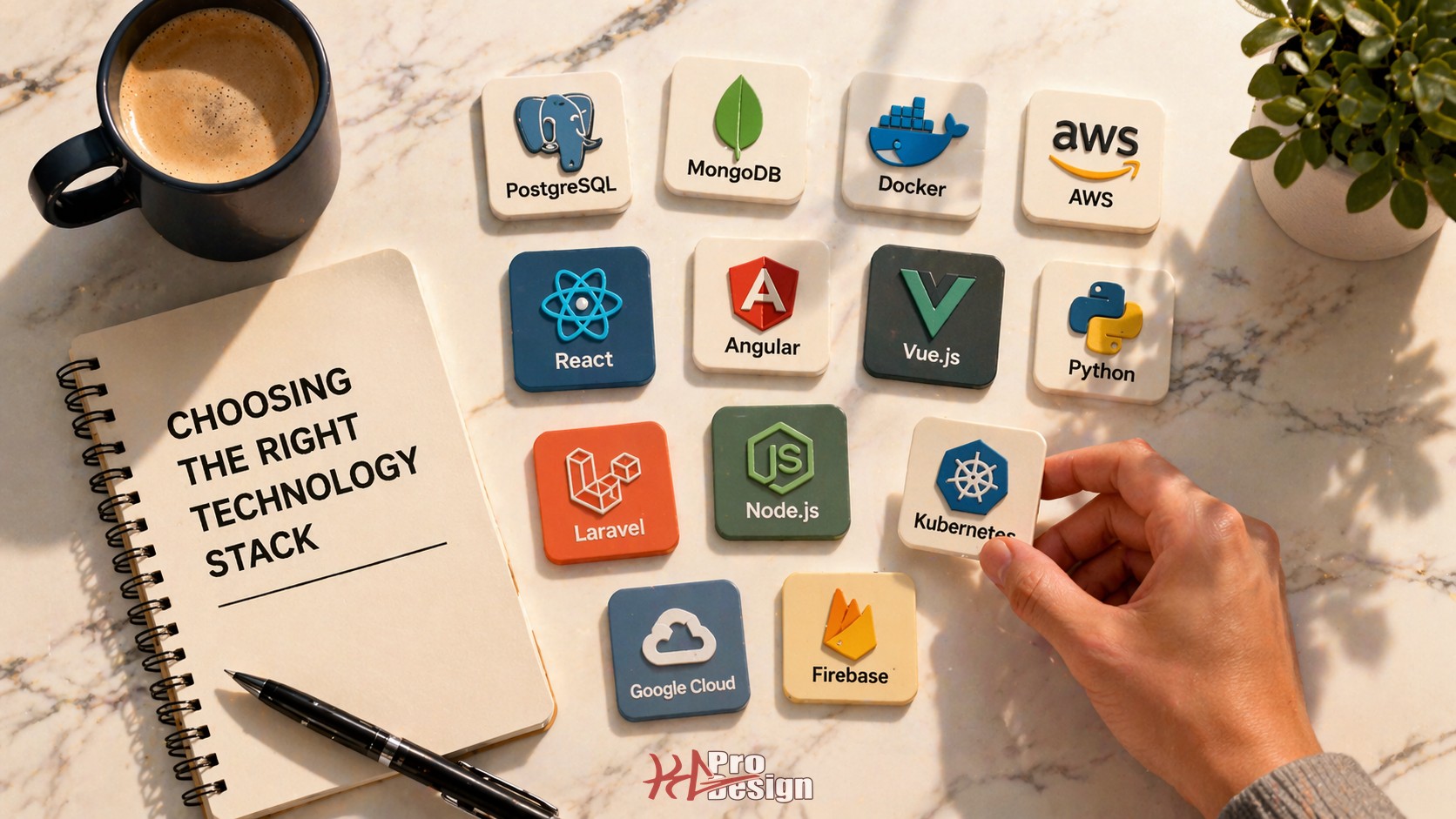
Choosing the right technology stack is one of the most important decisions in software development. The wrong choice can lead to technical debt, scalability issues, and costly rewrites.
This guide will help you make informed technology decisions based on your specific needs.
Key Factors to Consider
1. Project Requirements
Type of Application:
- Web App: React, Vue, Angular + Node.js, Python, Ruby
- Mobile App: React Native, Flutter, Swift/Kotlin
- Desktop App: Electron, Tauri, Qt
- API/Microservices: Node.js, Go, Python FastAPI
Performance Needs:
- High traffic: Go, Rust, Java
- Real-time: Node.js, WebSockets, Socket.io
- CPU-intensive: C++, Rust, Go
- Standard: Python, Ruby, PHP
2. Team Expertise
Your team's skills matter more than "latest and greatest":
- Existing expertise accelerates development
- Learning curve impacts timeline and budget
- Hiring availability for future team growth
3. Scalability Requirements
Vertical vs Horizontal Scaling:
Vertical: Single powerful server
- Easier initial setup
- Limited by hardware
- Single point of failure
Horizontal: Multiple servers
- Better reliability
- Easier to scale
- More complex architecture
4. Development Speed
Time to Market Considerations:
Fast MVP:
- Ruby on Rails (convention over configuration)
- Django (batteries included)
- Laravel (PHP framework with everything built-in)
Balanced:
- Node.js + Express
- Python + Flask/FastAPI
- Go + Gin
Popular Stack Combinations
MERN Stack (JavaScript Everywhere)
- MongoDB (Database)
- Express.js (Backend Framework)
- React (Frontend Library)
- Node.js (Runtime)
Best For:
- Startups needing fast development
- Teams with strong JavaScript skills
- Real-time applications
Pros:
- Single language across stack
- Rich ecosystem
- Large community
Cons:
- Not ideal for CPU-intensive tasks
- Callback hell without proper async handling
LAMP Stack (Battle-Tested Classic)
- Linux (Operating System)
- Apache (Web Server)
- MySQL (Database)
- PHP (Backend Language)
Best For:
- Content-heavy websites
- Budget-conscious projects
- Traditional web applications
Pros:
- Mature ecosystem
- Affordable hosting
- Proven reliability
Cons:
- Less modern developer experience
- Not ideal for real-time features
JAMstack (Modern Static Sites)
- JavaScript (Client)
- APIs (Backend Services)
- Markup (Pre-rendered HTML)
Best For:
- Marketing websites
- Blogs and documentation
- E-commerce (with API)
Pros:
- Excellent performance
- High security
- Low hosting costs
Cons:
- Limited for complex applications
- Build times for large sites
Enterprise Stack
- Frontend: React/Angular + TypeScript
- Backend: Java Spring Boot / .NET Core
- Database: PostgreSQL / Oracle
- Infrastructure: Kubernetes, Docker
Best For:
- Large organizations
- Complex business logic
- High reliability requirements
Pros:
- Enterprise support
- Mature tooling
- Strong typing
Cons:
- Higher complexity
- Longer development cycles
Database Selection
Relational (SQL)
PostgreSQL: Best overall choice
- ACID compliance
- Rich feature set
- JSON support
MySQL: Popular and simple
- Wide adoption
- Good performance
- Easy to learn
When to use:
- Structured data
- Complex queries
- ACID requirements
NoSQL
MongoDB: Document database
- Flexible schema
- Easy horizontal scaling
- JSON-like documents
Redis: In-memory store
- Blazing fast
- Caching and sessions
- Pub/sub messaging
When to use:
- Flexible schema needs
- Massive scale
- Caching layers
Decision Framework
Step 1: Define Requirements
- [ ] Expected users/traffic
- [ ] Performance requirements
- [ ] Budget constraints
- [ ] Timeline expectations
- [ ] Team expertise
- [ ] Scaling needs
- [ ] Security requirements
Step 2: Evaluate Options
Score each option (1-5) on:
- Team familiarity
- Development speed
- Performance
- Scalability
- Cost
- Community support
- Long-term viability
Step 3: Prototype
Build a quick proof-of-concept:
- Validate technical assumptions
- Test team productivity
- Identify potential issues
Step 4: Make Decision
Choose based on:
- Hard requirements (must-haves)
- Weighted scores from evaluation
- Team consensus
Common Mistakes to Avoid
1. Chasing Trends
Don't adopt technology just because it's popular:
- Evaluate actual fit for your needs
- Consider long-term support
- Think about hiring implications
2. Over-Engineering
Start simple, scale when needed:
- Use monolith before microservices
- SQL before NoSQL
- Simple before complex
3. Ignoring Team Skills
Technology choice affects:
- Development velocity
- Code quality
- Team morale
- Hiring difficulty
4. Vendor Lock-In
Consider:
- Open-source alternatives
- Exit strategies
- Data portability
- Cost scaling
Technology Recommendations by Use Case
SaaS Application
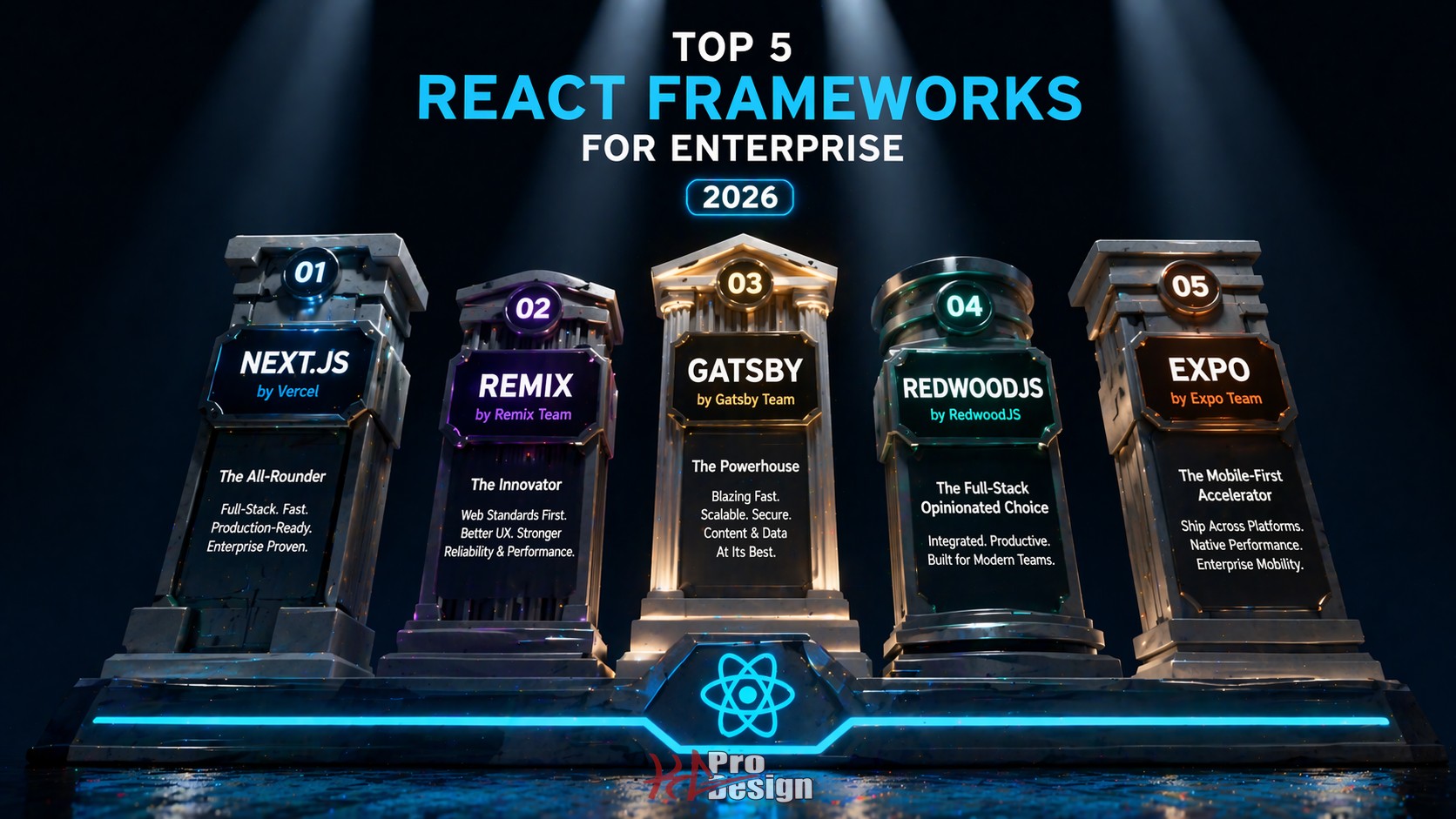
Stack: React + TypeScript + Node.js + PostgreSQL (for a deeper comparison, see our guide to the top 5 React frameworks for enterprise apps)
Why: Fast development, scalable, strong typing
E-commerce Site
Stack: Next.js + Stripe + PostgreSQL + Redis
Why: SEO-friendly, payment integration, performance
Mobile App
Stack: React Native + Firebase + TypeScript
Why: Cross-platform, rapid development, backend-as-a-service
Enterprise System
Stack: Angular + Java Spring + PostgreSQL + Kubernetes
Why: Enterprise support, robust, scalable
Content Website
Stack: Next.js + MDX + Netlify
Why: Fast, SEO-friendly, easy content management
Conclusion
The right technology stack depends on your specific situation. Consider:
- Project requirements first
- Team expertise second
- Latest trends last
Most importantly, choose technologies that your team can master and that will serve your needs for years to come.
Need Help Choosing?
At KG ProDesign, we've built systems with virtually every major technology stack. Our consulting services help you:
- Evaluate options for your specific needs
- Validate decisions with prototypes
- Build with best practices from day one
Schedule a consultation to discuss your project's technology needs.